
Palm Beach Aquatic Fish Stocking
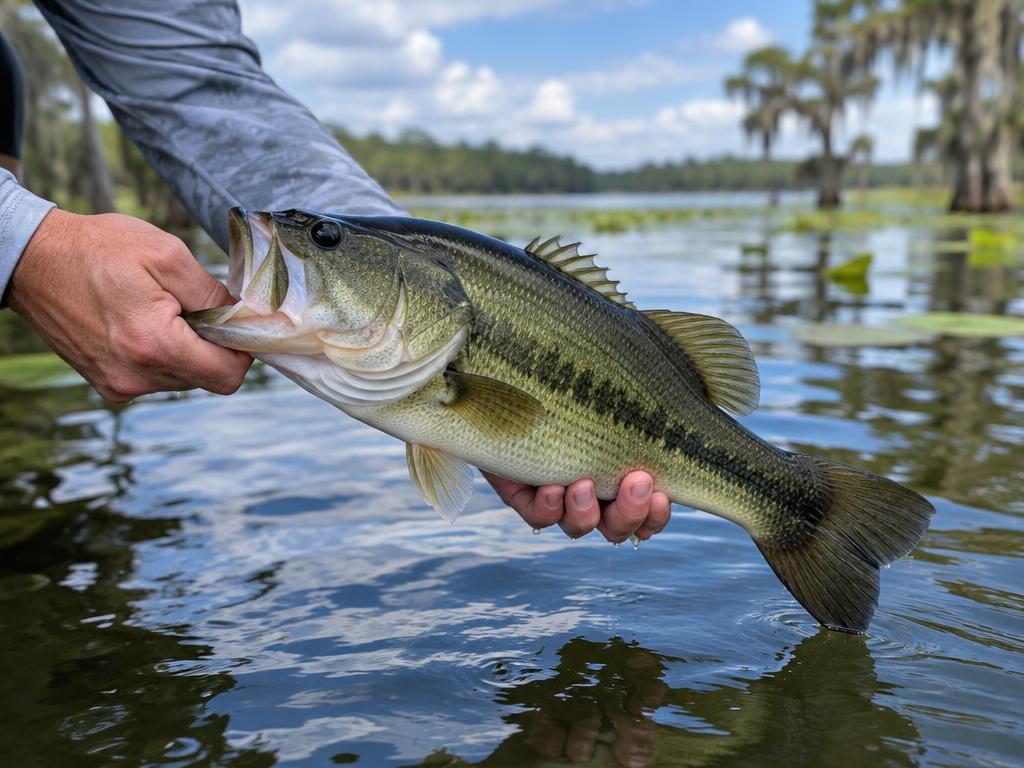
A healthy and diverse fish population is an important part of creating an environmentally balanced lake. Palm Beach Aquatic can analyze your needs and provide an appropriate fish stocking program. Largemouth bass, bluegill (bream) and catfish are native fish commonly used for stocking Florida lakes. For the avid sports fisherman, the Sunshine Bass is an excellent choice.
Florida lakes with certain weed problems may benefit from an "integrated" water management program utilizing a combination of herbicide applications and stocking with the Triploid Grass Carp, a weed-eating fish. At your request, Palm Beach Aquatic can outline a stocking program tailored to your needs and budget. We will discuss recommended species, numbers of fish, governmental requirements, expected results, timing and costs.
Maintaining the fish stock in your pond can bring you lots of fishing fun, but will also help control algae, weeds, insects, leeches and worms.
Creating an aquatic balance with fish stocking
When properly balancing your pond, you should stock your pond with three prey fish, like bream or bluegill, for every predator fish, such as bass. This fish stocking practice will support predator fish with a sustainable selection of prey, while still letting prey fish have a chance to mature and reproduce. Catfish will have little effect on the prey to predator ratio as they are more likely to stick to themselves at the bottom of the pond. A properly stocked ponds fish population will likely keep itself in check. It is recommended that when you first stock your pond, that adding some fathead minnows to feed the predator fish will help the prey fish become established. In proper conditions, minnows can be a snack for your fish before they are able to replenish themselves.
When selecting fish to stock your pond with, introducing fish of similar size will help the population to assimilate. The number of fish you add to your pond will depend on the surface area of your lake or pond. Below is a guide for how to stock ponds of various sizes.
2-4" Hybrid Bluegill/Sunfish 120 240 480
- 3-4" Yellow Perch 60 120 240
- 5-7" Largemouth Bass 15 30 60
- Fathead Minnows 8 lbs 16 lbs 32 lbs
Native fish that may already be in the pond can be carried in by waterfowl, other animals or by clinging to aquatic plants added to your pond. Often flooding can wash fish from nearby ponds, lakes, and canals into your pond. It is expected that over time, outside fish will find a way to your pond. You may want to fish or trap larger prey fish already in the pond before stocking.
When is it best stock your pond with fish?
Spring and fall are the ideal times for fish stocking. Water temperatures in the morning are more mild and oxygen levels are high, so stress on the fish will be the lowest. After adjusting to your pond, the fish will be set up to flourish. Fish can also be added in the summer, but they will need a little more time to adjust.
While stocking your pond, acclimating fish is important to reduce stress. Place the transportation bag in a shaded area of the pond if possible and let stand in the pond water for about 20 minutes. This will allow the new fish to gradually adjust to water temperature in your pond. After the time is up, open the bag so the fish can swim out on their own. If mature fish are already present, release minnows at one end of the pond to attract larger fish and release the new stock fish at the opposite end so they have a chance to find shelter.
When stocking a pond with fish, providing habitats will increase the chances for smaller prey fish and minnows to hide and reproduce. Aquatic plants and rock structures will provide safe cover, but a specially designed environment like trees can improve a habitat and won't decompose. Rocks and trees are also great places for fishing as fish naturally congregate and spawn in these areas.
To keep the population of both predator and prey fish high, make sure the water is well oxygenated when pond stocking. If you do not already have an aeration system set up in your pond or lake, now is a good time to add one. When you introduce new fish to a pond or lake, they will be adding waste - something that can cause an algae bloom, pH shift, and potential fish kill. Adding an aeration system and beneficial bacteria, you will decrease toxic gases, increase the amount of dissolved oxygen in the water, and prevent harmful stratification from occurring.
Enjoy these helpful tips the next time you stock your pond with fish—or give us a call to provide expert service!